Foot Sweat: Runner’s Guide to Foot Care15 min read
A Runner’s Guide to Foot Care
If you have ever taken off your shoes after a long run only to be greeted by damp socks and a noticeable odor, you are certainly not alone. Sweaty feet are common, but that does not make them any less uncomfortable. Whether you are an athlete, someone who spends hours on your feet, or you notice moisture building up even at your desk, excess foot sweat can lead to daily frustration. Dampness, odor, and the risk of blisters can make even routine activities feel uncomfortable.
The main reason feet sweat so much is simple: your feet have a high concentration of sweat glands. Sweat helps regulate temperature, but when it gets trapped inside socks and shoes, moisture can build up fast. That extra moisture matters because it can increase friction, contribute to odor, and create an environment where bacteria and fungus thrive.
This guide explains why feet sweat, what can trigger excessive perspiration, and how to prevent sweaty feet with practical, everyday steps. From choosing better socks and shoes to improving your footcare routine with trusted foot odor products like Odor-Eaters, which is a doctor-recommended brand with products that deliver guaranteed all-day odor protection.

The Science of Sweaty Feet: Why Do Our Feet Perspire?
To understand how to stop foot perspiration, it is essential to first understand the complex biological engineering of the human foot. Sweating is an entirely natural, necessary bodily function designed to regulate body temperature. When your internal temperature rises due to physical exertion, environmental heat, or stress, your nervous system triggers your sweat glands to release moisture. As this moisture evaporates from the surface of your skin, it creates a cooling effect that brings your body temperature back down to a safe, comfortable baseline.
What makes the feet so uniquely prone to sweating? The answer lies in the sheer density of sweat glands. The human body contains millions of eccrine glands, which is the primary type of sweat gland responsible for regulating temperature. However, these glands are not distributed evenly. The soles of your feet contain roughly 250,000 sweat glands, giving them a higher concentration of eccrine glands per square inch than almost any other part of the body. Because of this incredible density, the feet are capable of producing a surprising amount of moisture, and up to half a pint of sweat in a single day under the right conditions.
Unlike the apocrine sweat glands found in the underarm and groin areas, which secrete a thicker fluid containing proteins and lipids, the eccrine glands on your feet produce sweat that is mostly water and salt. In its purest form, this sweat is completely odorless. However, because our feet are typically encased in socks and shoes, the moisture cannot easily evaporate. This trapped environment sets the stage for a host of secondary issues, including discomfort, skin breakdown, and the dreaded foot odor.
What Causes Foot Sweat? (And Why Do My Feet Sweat When Doing Nothing?)
While it makes logical sense that your feet would sweat during a strenuous workout or on a sweltering summer afternoon, many people find themselves asking, “Why do my feet sweat when I’m doing nothing?” Experiencing damp feet while sitting at a desk, relaxing on the couch, or driving can be particularly perplexing.
Several distinct factors contribute to daily foot sweating, ranging from environmental choices to internal physiological triggers:
Footwear and Environmental Factors
One of the most common causes of excessive foot sweating is the environment we create for our feet. Wearing non-breathable materials is a primary culprit. Shoes made from synthetic materials like plastic, vinyl, or heavily treated faux leather trap heat and moisture inside the shoe chamber.
Without proper ventilation, the temperature inside the shoe rises, prompting the overactive sweat glands to produce even more moisture in a desperate attempt to cool the area. Similarly, wearing thick, non-breathable socks (particularly those made of 100% cotton, which absorbs moisture but does not wick it away) acts as a wet blanket against the skin, keeping sweaty toes constantly damp.

Stress and the Sympathetic Nervous System
Your eccrine sweat glands are directly connected to the sympathetic nervous system, which governs your body’s “fight or flight” response. When you experience stress, anxiety, or nervousness, your brain releases adrenaline and other stress hormones. This hormonal surge signals your sweat glands to activate, regardless of your actual body temperature or physical activity level. This is why you might experience sweaty palms and sweaty feet before a big presentation, during a stressful commute, or while watching an intense movie. The emotional trigger overrides the environmental temperature.
Hormonal Fluctuations
Hormones play a significant role in body temperature regulation. Changes in hormone levels, whether these changes are due to puberty, pregnancy, menopause, or thyroid imbalances, can cause sudden and unexpected spikes in sweat production. This physiological shift can lead to persistent moisture on the feet even when the body is completely at rest in a climate-controlled room.
Diet and Lifestyle
What you consume can also influence how much you sweat. Spicy foods containing capsaicin trick the brain into thinking the body is overheating, triggering a widespread sweat response. High caffeine intake stimulates the central nervous system, which can, in turn, activate the sweat glands. Additionally, alcohol consumption causes blood vessels to dilate, increasing skin temperature and leading to increased perspiration.
Sweating While Running: Athletic Performance and Moisture Control
For athletes and fitness enthusiasts, sweating while running is an expected and entirely healthy part of the workout. As you exert cardiovascular effort, your muscles generate a tremendous amount of heat. Your body must aggressively employ its cooling mechanisms to prevent dangerous overheating. Therefore, if you are wondering, “Is it good to sweat when running?” the answer is a resounding yes. It is a sign that your physiological cooling system is functioning optimally.
However, “Does sweating mean you’re burning fat?” Not exactly. Sweating indicates a rise in body temperature and fluid loss, not necessarily fat oxidation. While intense workouts that burn fat often induce sweat, sitting in a sauna also induces sweat without burning fat. It is important not to equate the volume of sweat directly with the quality of the workout.
For runners, foot sweat presents unique challenges. The friction generated by thousands of repetitive foot strikes, combined with trapped moisture inside a running shoe, creates the perfect storm for severe blisters. When the skin becomes macerated (softened and waterlogged from constant sweat exposure), it loses its structural integrity. The friction between the damp skin, the sock, and the shoe lining easily tears the top layers of the skin, resulting in painful fluid-filled blisters that can sideline a training block.

Furthermore, managing exertion levels can indirectly help manage sweat levels. Many endurance athletes utilize the 80/20 rule (spending 80% of training time at an easy, conversational effort and 20% at a high intensity). By keeping the majority of runs at a lower heart rate, the body generates less excessive heat, resulting in slightly more manageable sweat levels compared to constantly running at a high, grueling threshold. Nevertheless, proper moisture-wicking socks and breathable running shoes remain non-negotiable for athletes looking to protect their feet from the harsh realities of intense, sweat-heavy workouts.
Plantar Hyperhidrosis: When Sweaty Feet Indicate a Medical Condition
While mild to moderate sweating is normal, some individuals experience a volume of foot perspiration that goes far beyond body temperature regulation. This condition is known as plantar hyperhidrosis, which is the medical term for excessive sweating of the feet.
Understanding when sweating crosses the line from normal to a medical condition is vital. People with hyperhidrosis often experience sweating so severe that their feet slide around inside their shoes, socks become thoroughly soaked within minutes of putting them on, and walking barefoot on hard floors leaves visible wet footprints.
Primary vs. Secondary Hyperhidrosis
Hyperhidrosis is generally categorized into two types:
- Primary Focal Hyperhidrosis: This is a condition in itself, not caused by an underlying medical issue or medication. It typically begins in childhood or adolescence and affects specific areas (focal), most commonly the feet, hands, and underarms. The exact cause is unknown, but it is believed to be a hereditary overreaction of the nervous system causing overactive sweat glands.
- Secondary Hyperhidrosis: This type of excessive sweating is a symptom of an underlying medical condition or a side effect of a medication. Unlike primary hyperhidrosis, which is usually localized to the extremities, secondary hyperhidrosis often causes sweating all over the body.
The Ripple Effects: Odor, Discomfort, and Fungal Infections
Foot sweat in isolation is simply salt and water. The true problems arise from what that moisture does to the environment inside your shoes. The dark, warm, and damp climate of a sweaty shoe is a veritable paradise for naturally occurring skin bacteria and fungi to cultivate.
The Chemistry of Foot Odor
Why do sweaty feet smell? The odor-causing culprit is not the sweat itself, but the bacterium that thrives in it. Bacteria such as Brevibacterium and Staphylococcus live harmlessly on the surface of your skin. They feed on the dead skin cells and the moisture produced by your sweat glands. As these bacteria digest the sweat and skin cells, they excrete organic acids, specifically isovaleric acid and propionic acid. These chemical byproducts are what produce the pungent, sour smell commonly associated with smelly feet. The longer the moisture remains trapped against the skin, the more the bacteria multiply, and the stronger the odor becomes. This can lead to intense self-consciousness, making individuals hesitant to remove their shoes in public spaces, gyms, or social settings.

Fungal Infections
Beyond odor, chronic dampness severely compromises foot hygiene. When the delicate skin between the toes remains wet, it becomes highly susceptible to fungal infections, the most common being Tinea pedis, or athlete’s foot. The fungi that cause these infections thrive in damp environments and can easily be picked up in locker rooms, public showers, or swimming pool decks. Symptoms include itching, scaling, redness, and painful cracking between the toes. Preventing fungal infections requires diligent moisture management and ensuring that sweaty toes are thoroughly dried.
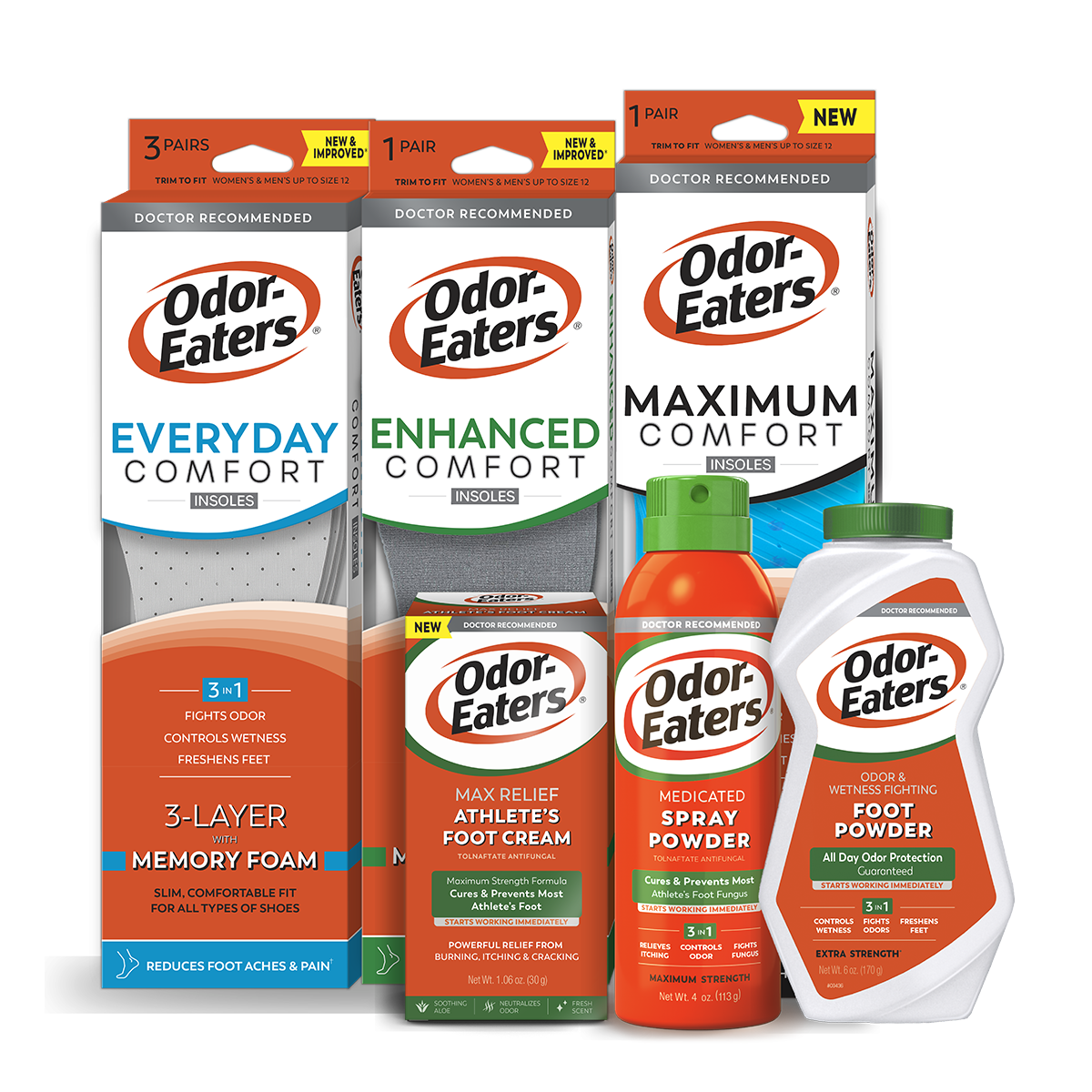
3-in-1: Fights Odor, Controls Wetness, Freshens Feet
A doctor-recommended brand with a selection of products that deliver guaranteed all-day odor protection.
How Do You Prevent Sweaty Feet? Essential Lifestyle Changes
If you are wondering how do you prevent sweaty feet from disrupting your daily life, the most effective approach combines smart footwear choices with rigorous daily hygiene habits. Managing moisture requires a proactive, multi-layered strategy.
Optimize Your Footwear and Socks
The materials you put on your feet dictate how well your skin can breathe. To combat moisture, you must prioritize airflow and evaporation:
- Choose Breathable Materials: Avoid shoes made of solid plastic, rubber, or synthetic leathers that do not allow air to circulate. Instead, opt for shoes constructed with mesh panels, natural leather, or canvas. For athletes, look for running shoes specifically designed with heavily ventilated uppers.
- Invest in Moisture-Wicking Socks: The importance of the right sock cannot be overstated. Cotton socks are highly absorbent, meaning they hold onto sweat and keep it pressed against your skin. Instead, choose socks made from moisture-wicking synthetic blends (like polyester or nylon) or merino wool. These materials pull moisture away from the skin and push it to the outer surface of the fabric, where it can evaporate more easily.
- Rotate Your Shoes: Never wear the same pair of shoes two days in a row. A heavily sweated-in shoe requires a full 24 to 48 hours to dry out completely. Wearing damp shoes not only feels uncomfortable but also reactivates dormant bacteria, guaranteeing immediate foot odor.
- Use Open-Toed Shoes When Possible: Whenever the environment and dress code allow, wear sandals or open-toed shoes to give your feet maximum exposure to fresh air.

Upgrade Your Foot Hygiene Routine
Proper foot hygiene is the first line of defense against both sweat buildup and the bacteria that cause odor:
- Wash Thoroughly Daily: Do not just let soapy water run down your legs in the shower. Actively scrub the soles of your feet and between your toes with an antibacterial soap.
- Dry Completely: After washing, it is critical to dry your feet entirely before putting on socks or shoes. Pay special attention to the spaces between your toes, as this is where moisture tends to linger and where fungal infections frequently begin. How do I keep my toes dry from sweat? Taking an extra ten seconds to towel dry between each toe makes a massive difference.
- Remove Dead Skin: Use a pumice stone or foot file a few times a week to gently remove calluses and dead skin buildup. Bacteria feed on dead skin, so keeping your feet smooth removes their primary food source, helping to cut down on odor.
How to Stop Foot Perspiration: Effective Treatments, Insoles and Products
When lifestyle changes and footwear adjustments are not enough to curb the moisture, it is time to turn to targeted treatments. There are numerous options available, ranging from over-the-counter daily products to advanced medical interventions for severe cases.
Foot Powder and Spray Treatment
One of the most immediate and effective ways to manage daily foot sweat is through the use of topical products designed specifically for the feet. Many people mistakenly believe that baby powder is enough. Does baby powder stop feet sweating? While baby powder or talcum powder can absorb a small amount of surface moisture and reduce friction temporarily, it does not actually stop the sweat glands from producing sweat, nor does it effectively combat strong odors.
For true, reliable relief, it is highly recommended to use products formulated specifically for foot care. Odor-Eaters provides a robust line of solutions tailored for customers dealing with foot odor and moisture. As a doctor-recommended brand, Odor-Eaters offers products that deliver guaranteed all-day odor protection.
- Odor-Eaters Foot Powder: Applying a high-quality foot powder like Odor-Eaters directly to the feet and inside the shoes before putting them on helps to absorb excess sweat continuously throughout the day. These powders are formulated to neutralize the organic acids produced by bacteria, neutralizing the odor at its source rather than just masking it with fragrance.
- Odor-Eaters Foot Powder Spray: Just as you use foot powder, you can use specialized Odor-Eaters spray powder for your feet. The active ingredients of Tolnaftate work by controlling for wetness and discomfort. Applying Odor-Eater’s powder spray to clean, dry feet once a day is often the most effective method, as it gives the active ingredients time to absorb while the sweat glands are least active.

Taking Control of Your Foot Health
Dealing with foot sweat, damp socks, and persistent odor does not have to be an inevitable part of your daily routine. By understanding the biological causes of perspiration, whether brought on by intense running, high-stress situations, or underlying conditions like hyperhidrosis, you can take the appropriate steps to manage it.
Implementing a comprehensive approach that includes wearing breathable materials, investing in moisture-wicking socks, and maintaining a meticulous daily hygiene routine will vastly improve your comfort levels. Most importantly, utilizing targeted, reliable solutions like Odor-Eaters products ensures that you have the guaranteed all-day odor protection necessary to go about your day with total peace of mind.
No matter how demanding your schedule is or how much time you spend on your feet, the right knowledge and the right products can help you reclaim your comfort, preserve your foot health, and step forward with absolute confidence.
When To See A Doctor
It is also important to know when sweaty feet may need medical attention. If foot sweating is severe, does not improve with self-care, interferes with daily activities, or is accompanied by symptoms such as rash, peeling skin, pain, swelling, or signs of infection, it is a good idea to see a doctor. A healthcare professional can help determine whether an underlying condition, such as hyperhidrosis or a fungal infection, may be contributing to the problem and recommend appropriate treatment.
No matter how demanding your schedule is or how much time you spend on your feet, the right knowledge, habits, and products can help you improve comfort, support foot health, and move through your day with greater confidence.
