The Ultimate Guide to Foot Hygiene & Health15 min read
The Ultimate Guide to Foot Health & Hygiene
Your feet support you every day, carrying your body with each step. Whether you stand for hours at work, train hard in sports, or just keep up with a busy routine, the health of your feet affects how comfortable and mobile you feel. Still, many people overlook foot care until problems like pain, fungal infections, or stubborn foot odor become hard to ignore.
Maintaining healthy feet requires more than an occasional shower scrub. It demands a consistent, proactive approach to foot hygiene, proper footwear selection, and an understanding of when over-the-counter solutions are appropriate versus when it is time to visit a board-certified podiatrist. This comprehensive guide explores everything you need to know to establish the best foot care routine, effectively fight foot odor, and keep your feet clean, fresh, and pain-free.

Why Foot Health Matters More Than You Think
The human foot is an incredibly complex mechanical structure, containing 26 bones, 33 joints, and over 100 muscles, tendons, and ligaments. This intricate network works in perfect harmony to provide support, balance, and mobility. When a seemingly minor foot condition arises, it can alter your pace, triggering a chain reaction of stress that travels up into your ankles, knees, hips, and lower back.
Ignoring basic foot hygiene and care can lead to a host of common foot problems. Excess moisture trapped in ill-fitting shoes creates an ideal breeding ground for bacteria and fungi, leading to toenail fungus, athlete’s foot, and severe foot odor. Furthermore, friction from improper footwear can cause painful blisters, corns, and calluses. For individuals with compromised blood flow, such as those requiring specialized diabetic foot care, minor cuts or unchecked fungal infections can escalate into serious medical complications. Prioritizing healthy feet is not just about cosmetic appeal; it is a fundamental component of your overall health and daily functioning.
How to Tell if Your Feet Are Healthy
Understanding the baseline for healthy feet is the first step in recognizing when something is wrong. Many people live with minor foot discomfort, assuming it is just a normal part of standing or walking, but healthy feet should generally be pain-free.
Signs of Healthy Feet
Healthy feet often show a few clear signs. Use this simple checklist to spot what normal, well-cared-for feet can look like and when it may be time to pay closer attention to foot hygiene.
| What to Check | What Healthy Looks Like |
| Skin | Smooth, supple and intact with no deep cracks, peeling or severe dryness. |
| Color | Consistent with the rest of your body, which points to good blood flow. |
| Toenails | Clear and slightly pinkish, with no discoloration, thickening or brittleness. |
| Alignment & Movement | Toes point straight ahead and joints move smoothly, without stiffness or grinding. |
| Odor | Little to no strong or foul smell after a full day in shoes. |
Signs of Unhealthy Feet
Conversely, there are several red flags that indicate your feet need more attention. Persistent foot odor is one of the most common early warning signs of excessive bacterial growth or fungal infections. Other symptoms you should never ignore include:
| What to Check | What Unhealthy Looks Like |
| Skin Texture | Scaling, peeling, or intense itching, particularly between the toes, often points to athlete’s foot. |
| Nail Color | Yellow, brown, or white spots on the nail bed, accompanied by thickening, are classic indicators of toenail fungus. |
| Structural deformities | The gradual formation of bumps at the base of the big toe (bunions) or toes that bend downward at the middle joint (hammertoe) signal biomechanical issues or the effects of ill-fitting shoes. |
| Foot Pain | Heel pain, arch aches, or sharp pains when taking your first steps in the morning (often associated with plantar fasciitis) suggest underlying inflammation or injury that requires proper treatment. |
If foot odor is a concern, doctor-recommended Odor-Eaters products can help support foot hygiene with guaranteed all-day odor protection
The Core Elements of Daily Foot Hygiene
Good foot hygiene is the absolute foundation of healthy feet. Knowing how to properly wash, dry, and maintain your feet can prevent the vast majority of superficial foot problems.
What is the Best Thing to Clean Your Feet With?
The best approach to cleaning your feet is surprisingly simple: warm water, a mild soap, and gentle friction. Avoid using harsh chemical cleansers, heavily perfumed soaps, or extremely hot water, as these can strip the skin of its natural oils, leading to severe dryness and cracking. A basic, non-irritating body wash or bar soap is perfectly sufficient for daily use. For those dealing with heavy sweating, an antibacterial soap used a few times a week can help reduce the bacterial population that contributes to foot odor.
The Step-by-Step Washing Process
Simply letting soapy water run over your feet while standing in the shower is not enough. To truly clean your feet, you must actively wash them. Use a washcloth or a dedicated foot brush to gently scrub the soles, the heels, and the tops of your feet. Pay special attention to the spaces between your toes. These dark, tight areas trap sweat, dead skin cells, and lint from your socks, creating the perfect environment for bacteria and fungal spores to thrive.
The Importance of Thorough Drying
Washing is only half the battle; drying is equally critical. After stepping out of the shower, take a clean towel and meticulously dry your feet. Be absolutely sure to dry completely between your toes. Moisture left in these tight spaces will remain trapped once you put on your socks and shoes, accelerating the breakdown of healthy skin and inviting infections.

Proper Moisturization
If you struggle with dry, cracked heels, moisturizing is an essential part of your foot hygiene routine. Apply a thick, emollient lotion to help bring moisture back to your feet. However, never apply lotion between your toes. The skin between the toes is naturally more moist, and adding lotion can cause tissue maceration (over-softening and breaking down of the skin), leading to fungal growth. If you’re also managing athlete’s foot, Odor-Eaters Athlete’s Foot Cream containing ingredients like Tolnaftate and aloe for relief from foot pain to the soles and tops of your feet.
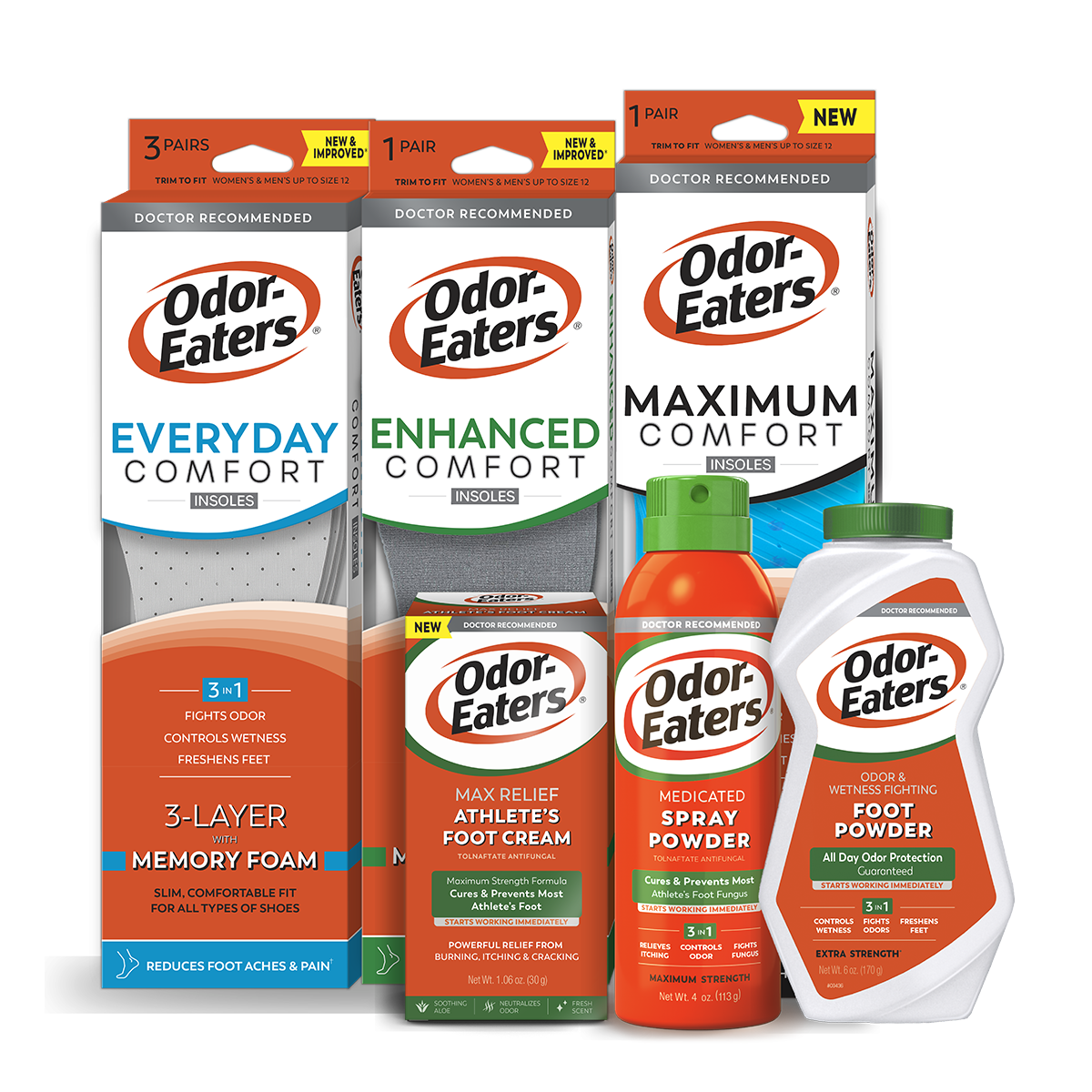
3-in-1: Fights Odor, Controls Wetness, Freshens Feet
A doctor-recommended brand with a selection of products that deliver guaranteed all-day odor protection.
Fighting Foot Odor and Fungal Infections
Foot odor, clinically known as bromodosis, is a widespread problem that causes significant discomfort and embarrassment. It occurs when the sweat glands in your feet which produce over half a pint of sweat a day secrete moisture into your socks and shoes. The bacteria naturally living on your skin feed on this sweat, producing isovaleric acid, which causes the distinct, unpleasant smell.
Guaranteed Odor Protection
To combat this issue effectively, you need a targeted approach. Odor-Eaters is a doctor-recommended brand that provides an essential line of defense for anyone struggling with foot odor. Incorporating Odor-Eaters products into your daily routine delivers guaranteed all-day odor protection.
- Odor-Eaters Foot Powder: Applying foot powder directly to your clean, dry feet before putting on socks helps absorb excess moisture throughout the day. The powder neutralizes odors on contact and creates a drier, less hospitable environment for odor-causing bacteria.
- Odor-Eaters Spray Powder: Foot and shoe sprays are excellent for quick, targeted application. Spraying the inside of your shoes regularly destroys lingering odors and helps maintain a fresh environment for your feet.
- Odor-Eaters Athlete’s Foot Cream: For those experiencing symptoms of Athlete’s Foot, Odor-Eaters non-greasy formula cures and prevents most athlete’s foot fungus while it provides powerful relief from symptoms and odor, leaving feet fresh and comfortable.
- Odor-Eaters Insoles: For those on their feet all day, replacing standard shoe inserts with odor-fighting insoles provides a continuous layer of protection. These insoles, such as the Everyday Comfort, Enhanced Comfort, and Maximum Comfort Insoles not only help absorb sweat but also feature activated charcoal and powerful odor-neutralizing ingredients that keep shoes smelling fresh month after month.

Preventing Infections Through Footwear
Beyond localized treatments, your choice of socks and shoes plays a massive role in fighting fungal infections and odor. Always opt for moisture-wicking socks made from synthetic blends or specialized wool that pull sweat away from the skin. Avoid 100% cotton socks if you sweat heavily, as cotton tends to hold onto moisture, keeping your feet damp. Ensure you wear well-fitting shoes made from breathable materials like leather or modern mesh fabrics. Shoes that are too tight compress the toes, restrict airflow, and increase friction.
The Best Foot Care Routine: Step-by-Step
Establishing a consistent foot care routine is the most reliable way to maintain healthy feet long-term. This routine should encompass morning preparation, evening care, and weekly maintenance.
Morning Preparation
Your morning routine sets the stage for how your feet will feel at the end of the day.
- Start Dry: Ensure your feet are completely dry after your morning shower.
- Apply Protection: Use a high-quality foot powder, like Odor-Eaters, to keep sweat at bay and provide guaranteed all-day odor protection.
- Choose the Right Gear: Put on a fresh pair of moisture-wicking socks. Select well-fitting shoes appropriate for your day’s activities. If your job requires prolonged standing, ensure your shoes offer ample arch support and cushioning.
Evening Recovery
When you return home, give your feet a chance to recover.
- Remove and Air Out: Take off your shoes and socks immediately to let your feet breathe. Do not wear the same pair of shoes two days in a row; give them at least 24 hours to air out and dry completely.
- Wash and Inspect: Wash your feet with warm water and mild soap, drying them thoroughly. This is the perfect time to inspect your feet for any new cuts, blisters, redness, or changes in nail health. Early detection of a condition makes treatment much easier.
- Moisturize: Apply foot cream to your heels and soles to keep the skin supple and prevent painful cracking.
Weekly Maintenance
Set aside time once a week for deeper care.
- Nail Care: Trim your toenails straight across using clean, sharp clippers. Do not cut the corners down into the skin, as this heavily increases the risk of developing painful ingrown toenails. Use an emery board to gently smooth any sharp edges.
- Gentle Exfoliation: Use a pumice stone or a foot file on wet, softened skin to gently reduce calluses on your heels and the balls of your feet. Never use sharp tools or razor blades to cut away dead skin, as this can lead to severe injury and infection.

Common Foot Cleaning Mistakes to Avoid
Even with the best intentions, many people make crucial errors in their foot hygiene routines that actually undermine their foot health. Avoid these common pitfalls to keep your feet in top condition:
- Soaking Feet Too Long: While soaking in warm water with Epsom salts can occasionally soothe tired muscles, soaking your feet every day or for prolonged periods strips the skin of natural oils, leading to severe dryness. If you have diabetes, frequent soaking is strictly discouraged due to the increased risk of skin breakdown and infection.
- Ignoring the Spaces Between Toes: As mentioned earlier, failing to wash and dry between the toes is a primary cause of athlete’s foot and localized bacterial growth.
- Cutting Cuticles: The cuticles at the base of your toenails act as a vital barrier against bacteria and fungi. Cutting them or aggressively pushing them back opens the door to infections under the nail bed.
- Overusing Nail Polish: Leaving toenail polish on for weeks at a time prevents the nail from breathing and can mask the early signs of toenail fungus or other nail bed issues. Give your nails a break between applications.
- Wearing Ill-Fitting Shoes: Purchasing shoes that are too tight, hoping they will “stretch out,” causes immediate damage to the structural integrity of your feet, promoting bunions, hammertoes, and chronic foot pain. Always buy shoes that fit comfortably from the moment you try them on, preferably shopping late in the day when your feet are slightly swollen.
Recognizing Common Foot Problems and When to See a Podiatrist
While daily hygiene, over-the-counter treatments, and a solid foot care routine will prevent many issues, some foot conditions require professional medical intervention. Knowing when to transition from home care to professional podiatry is vital for long-term mobility.
Common Foot Conditions
- Plantar Fasciitis: This condition involves the inflammation of the thick band of tissue running across the bottom of your foot, connecting your heel bone to your toes. It typically manifests as stabbing heel pain with your first steps in the morning.
- Ingrown Toenails: Occurring when the edge of the toenail grows into the surrounding skin, this causes redness, swelling, and significant pain. If left untreated, it can quickly become infected.
- Bunions and Hammertoe: These are progressive structural deformities. A bunion is a bony bump on the joint at the base of the big toe, while a hammertoe is an abnormal bend in the middle joint of a toe. Both often require professional evaluation to prevent worsening pain.

Are Sweaty Feet a Sign of Diabetes?
Sweaty feet alone do not mean you have diabetes. However, diabetes can cause secondary hyperhidrosis through a complication called autonomic neuropathy. High blood sugar levels over time can damage the nerves that control involuntary bodily functions, including temperature regulation and sweat gland activity. This nerve damage can lead to abnormal sweating patterns, and sometimes causing excessive sweating in the upper body and a complete lack of sweating (anhidrosis) in the feet, or vice versa. If you experience a sudden, dramatic shift in how your body sweats alongside other symptoms like excessive thirst, frequent urination, or tingling in the extremities, it is important to consult a healthcare provider for proper testing.
Healthcare providers can diagnose the severity of hyperhidrosis using tests like the starch-iodine test, where an iodine solution is applied to the feet followed by starch powder. As the feet sweat, the combination turns dark blue or black, allowing the doctor to map the exact locations and severity of the overactive sweat glands.
When to Consult a Podiatrist
You should schedule an appointment with a board-certified podiatrist or DPM (Doctor of Podiatric Medicine) if you experience any of the following:
- Severe, sudden, or persistent foot pain that does not improve with rest.
- Signs of bacterial infection, such as increased redness, swelling, warmth, or pus oozing from a wound.
- A wound or sore on your foot that does not begin healing within a few days.
- Thickened, deeply discolored toenails that are painful or difficult to trim.
- Numbness, tingling, or a persistent burning sensation in your feet or ankles.
- The need for custom orthotics to correct severe gait abnormalities, arch collapse, or chronic heel pain.
Podiatrists have the specialized training necessary to offer advanced, in-office treatments. Whether prescribing specialized anti-fungal medications, performing minor surgeries for ingrown toenails, or designing custom orthotics tailored specifically to your foot’s unique biomechanics, a podiatrist provides the definitive care required when daily maintenance is no longer enough.

Stepping Forward with Confidence
Achieving and maintaining healthy feet requires a blend of daily vigilance, proper hygiene practices, and the right preventive tools. By committing to a thorough washing and drying routine, wearing well-fitting, moisture-wicking footwear, and proactively utilizing doctor-recommended solutions like Odor-Eaters to manage sweat and guarantee all-day odor protection, you can prevent the vast majority of common foot problems.
Remember that your feet are the foundation of your entire body. Pay attention to the subtle signs they give you, avoid common foot cleaning mistakes, and never hesitate to seek out a qualified podiatrist when pain or persistent conditions arise. With the right care routine, you can ensure your feet remain clean, fresh, healthy, and ready to carry you comfortably through whatever your day demands.