Athlete’s Foot Treatment With Odor-Eaters Spray Powder14 min read
Athlete’s Foot Treatment With Odor-Eaters Sray Powder
Irritation. Burning. Itchiness. Athlete’s foot is a fungal infection that takes sweaty feet to another level, bringing on the uncomfortable, scaly, cracking skin that makes you want to hide your feet from the world.
The longer it’s left untreated, the greater the discomfort can become. The good news is it is curable. With proper treatment and good foot hygiene, you can get rid of athlete’s foot and keep your feet healthy and comfortable.
In this guide, we’ll answer all your questions about athlete’s foot, including why this fungus lives on your feet, how to eliminate it with athlete’s foot treatments like Odor-Eaters Foot Cream and Spray Powder, and what to do to keep it from coming back. And, of course, we’ll share essential foot care advice for fighting the fungus before it starts.
Key Takeaways
- Athlete’s foot is common and contagious: It’s caused by a fungus that spreads easily on surfaces, shared items, and through personal contact.
- It’s unlikely to clear up on its own: More often than not, athlete’s foot spreads and worsens if left untreated.
- Early treatment prevents serious complications: If left to grow and spread, the fungus can affect the whole foot, the hands, groin, and toenails.
- Odor-Eaters offers multiple treatment options:
- Odor-Eaters Foot Cream helps soothe itchy, cracked skin while treating the infection at the source.
- Odor-Eaters Spray Powder delivers maximum strength antifungal protection while absorbing moisture and fighting odor.
- Proper foot care is the key to prevention. Wash and dry feet regularly, change socks often, wear breathable shoes, start using moisture-wicking insoles, and don’t walk barefoot in public places.
4 Phases of Athlete’s Foot
Athlete’s foot progresses through distinct, somewhat predictable phases, from initial infection to complete recovery. Symptoms vary based on the type and severity of the fungal infection.
Early Stage
The infection often begins between the skin of the toes (toe web athlete’s foot), starting with mild redness, itching, and flaking. Most commonly, this begins as slight irritation, but symptoms are generally manageable and sometimes ignored. To cure athlete’s foot quickly and effectively, it’s best to start treatment at this stage.
Advanced Stages
Without treatment, the infection can progress to more severe symptoms. When the fungus spreads to the soles, heels and edges of the feet, it is referred to as moccasin-type athlete’s foot, and is characterized by thickened, cracked skin. As it worsens, the infection causes fluid-filled blisters (vesicular athlete’s foot). If the blisters turn into open sores, the infection progresses to ulcerative athlete’s foot, which may lead to secondary bacterial infections.
Healing
With consistent antifungal treatment – such as daily use of Odor-Eaters Foot Cream to treat skin irritation and Spray Powder to control moisture – symptoms begin to subside. Redness and itching decrease, blisters dry up, and cracked skin heals, gradually replaced by new, healthy skin. Treatment should continue until the infection is completely resolved.
Cleared
When all symptoms have fully disappeared and healthy skin has regenerated, the infection is fully resolved. To maintain healthy feet and prevent reinfection, it is essential to continue good foot hygiene and consider antifungal treatments as a preventative measure.
What Is Athlete’s Foot?
Athlete’s foot is a skin infection caused by a fungus. It’s extremely common: an estimated 7 in 10 people will have athlete’s foot at some point in their lives.
The medical term for athlete’s foot is tinea pedis, which translates to “ringworm of the foot.” Ringworm is a type of fungus that infects tissues rich in keratin, like hair, skin, and nails.
Because this pesky fungus thrives when feet are warm and damp, it finds ideal conditions in sweaty sneakers, locker rooms, showers, and swimming pools. That’s where it gets its common name, “athlete’s foot.” Not the ideal reward for working hard at the gym.
How Do You Get Athlete’s Foot?
It’s no wonder that athlete’s foot is so common: it’s highly contagious. The fungus can spread through hard or soft surfaces, from bathroom floors and swimming pools to socks, shoes, and towels.
You can catch it by directly contacting an infected surface or by sharing items with someone with an active fungal infection.
Common factors that increase your risk of getting athlete’s foot:
- Contact with an infected person: The infection can be spread skin-to-skin.
- Public places: Walking barefoot in public areas, particularly humid or damp ones
- Damp feet: Not drying feet after showers, swims, or workouts
- Tight, closed-toe shoes: Not letting feet breathe and trapping in moisture
- Sharing personal items: Fabrics like towels, socks, and sheets can spread it.
- Contact with an infected person: The infection can be spread skin-to-skin.

How to Know if You Have Athlete’s Foot
Age, gender, and health conditions can also impact your risk. Athlete’s foot tends to be more common in men, individuals over 60 years old, or those with weakened immune systems, obesity, or diabetes.
That being said, the infection is also common among the very physically active, individuals who go barefoot, those with sweaty feet, and those who have contact with someone who is already infected. In other words, anyone can contract athlete’s foot.
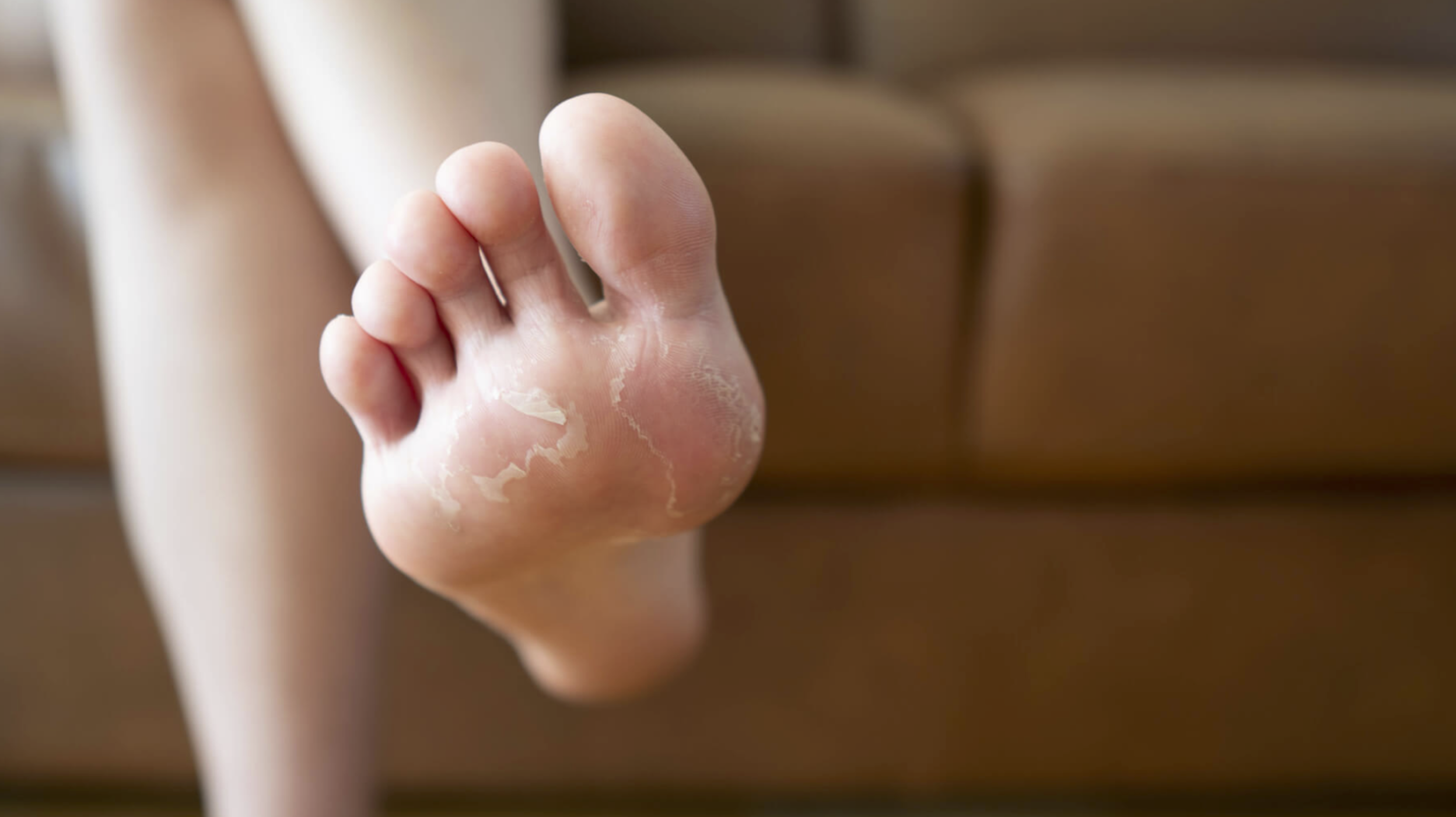
The first signs of athlete’s foot typically occur as itchy, dry patches and broken skin between the toes. As the infection progresses, the symptoms worsen, spread, and change.

Pro Tip:
Bring flip-flops or shower shoes to avoid being barefoot in public places — including hotel rooms.
Early and Advanced Symptoms of Athlete’s Foot
| Early stages | Advanced Stages |
| Mainly between the toes | Spreading to the soles or sides of the feet |
| Itchiness | Persistent itchiness |
| Burning sensation | Intense burning and peeling |
| Red, flaky skin | Skin feels raw and soggy |
| Tiny cracks | Skin blisters, breaks, and oozes |
| Blisters | A foul odor |
Athlete’s foot can accelerate from an uncomfortable feeling to a more serious health condition over time, even resulting in secondary infections. The longer it goes without remedy, the more persistent and tough to treat athlete’s foot becomes.
If symptoms worsen, it is important to consult a physician. A primary care doctor, dermatologist, or podiatrist can diagnose athlete’s foot based on appearance and symptoms, or take a skin scraping and test it in a lab to rule out other skin conditions.
Pro Tip:
Act early. Start using athlete’s foot spray or cream at the first signs of infection.
What Happens if You Leave Athlete’s Foot Without Treatment?
Typically, athlete’s foot doesn’t just go away. Because of its progressive nature, it’s best to treat athlete’s foot as soon as you recognize the signs of the infection to prevent it from worsening.
Untreated athlete’s foot can spread further across your feet and even infect the hands, groin area (jock itch), and toenails (toenail fungus/onychomycosis).
Without athlete’s foot treatment or proper hygiene, cellulitis (a bacterial infection of the skin) can form, increasing the pain, redness, and swelling. This is a serious condition requiring a doctor’s diagnosis and treatment.
Fortunately, the earlier you act, the more easily athlete’s foot can be managed and cured. To ensure lasting results, continue antifungal treatment after symptoms resolve to help prevent the infection from recurring.
Pro Tip:
You don’t need to have athlete’s foot to get benefits from Odor-Eaters. The spray, powder, and insoles can be used anytime to prevent the conditions that promote foot fungus.
How to Treat Athlete’s Foot with Odor-Eaters
Most cases of athlete’s foot can be treated successfully at home with nonprescription antifungal sprays and creams. Visible improvement often begins within a week, and most infections heal within 2 to 4 weeks.
Treatment Options:
Odor-Eaters Spray Powder is an athlete’s foot spray that starts working immediately. Its active ingredient, tolnaftate, is a proven antifungal agent that treats the infection by blocking its ability to grow. While many antifungals treat existing infections, tolnaftate is one of the only common active ingredients effective in both treating athlete’s foot and preventing its recurrence. Our Foot Cream is ideal for dry, cracked, and itchy skin. It helps treat the infection while soothing irritation, and is great for targeted application between toes and on affected areas.
Many people will find the best results come from using both – cream for treatment and skin repair, spray powder for moisture and odor control.
Step-by-Step Daily Directions
- Wash and dry the feet thoroughly.
- Apply Odor-Eaters Foot Cream to affected areas, especially between toes and on cracked skin.
- Allow the cream to absorb fully.
- Shake Odor-Eaters Spray Powder and spray lightly over feet and between toes.
- Put on clean, dry socks and breathable shoes
- Repeat daily, morning and night.
Odor-Eaters spray is a maximum-strength, maximum-protection athlete’s foot treatment that can be purchased over the counter and applied daily at home until the infection is cleared up. It can also be applied daily to keep feet dry, fresh, and fungus-free.
Pro Tip:
For an extra layer of protection against wetness and odor, use Odor-Eaters Foot Spray Powder in your shoes.
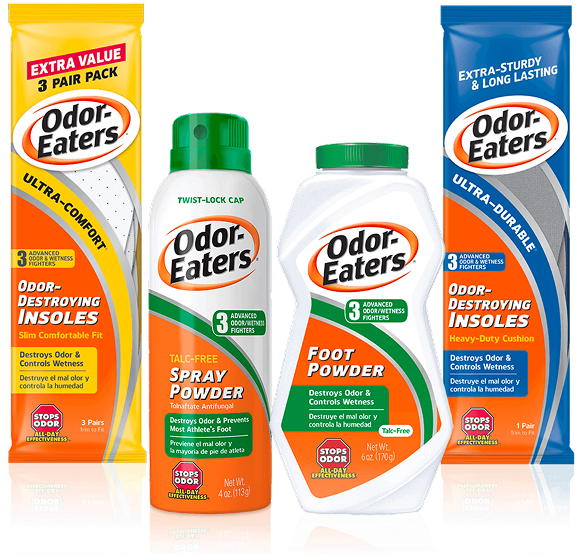
3-in-1: Fights Odor, Controls Wetness, Freshens Feet
A doctor-recommended brand with a selection of products that deliver guaranteed all-day odor protection.
How to Tell if Athlete’s Foot Treatment Is Working
With proper foot hygiene (cleaning and drying the feet before applying) and daily use, symptoms should gradually subside. Signs the treatment is working include reduced or relieved:
- Redness
- Burning
- Itching
- Soreness
- Scaling
- Swelling
- Peeling
Pro Tip:
If symptoms don’t appear to be improving within the first few days of treatment, consult your physician, dermatologist, or podiatrist to evaluate.
Stopping the Spread and Preventing Foot Fungus
Once you have experienced the maddening itch and burn (not to mention the unsightly redness and peeling), it becomes clear just how crucial it is to engage in healthy habits that aid athlete’s foot treatment and prevention:
- Wash and sanitize bathroom linens and surfaces frequently.
- Don’t share towels, socks, or shoes.
- Wear sandals or shower shoes in locker rooms and public showers.
- Don’t walk barefoot in public places.
- Change socks frequently; don’t stay in damp or sweaty socks.
- Wash feet at least once a day and dry them thoroughly.
- Use Odor-Eaters Foot Cream for flare-ups.
- Use Odor-Eaters Spray Powder daily for prevention.
- Wear comfortable, ventilated shoes. Additionally, wear Odor-Eaters insoles.
- Air out shoes between wearings.
Follow the tips above to keep your feet healthy and protect yourself from contracting the infection.
Pro Tip:
If you share a space with someone who has an active case of athlete’s foot, wash and sanitize more frequently, using bleach (when it is safe to do so) to help kill the fungus.
Final Thoughts
Anyone can get — and spread — athlete’s foot. Because it is highly contagious and fast-spreading, it’s a common affliction for most of the population.
While the discomfort and spreadability of the fungus can crush your dreams of a weekend pedicure and disrupt your plans to hang out at the pool, these issues can be short-lived. Knowing how to treat athlete’s foot is the first step to reclaiming your healthy feet.
Daily use of Odor-Eaters Foot Powder Spray helps to stop the spread of the fungus and prevent it from coming back. It’s an effective athlete’s foot treatment that, combined with good foot hygiene and care, provides relief, protection, and confidence.
Bonus Tip: Athlete’s foot is a problem. But the solution is clear: Good foot hygiene + Odor-Eaters = Long-lasting, effective relief from athlete’s foot.
FAQ
- Is Odor-Eaters Foot Cream and Spray Powder an Effective Athlete’s Foot Treatment?
Our antifungal foot cream helps treat athlete’s foot while soothing dry, cracked, and itchy skin. Foot powder can also be an excellent component of foot hygiene to help in treating and preventing athlete’s foot. Odor-Eaters Foot Powder destroys odor and protects against wetness with ingredients designed to neutralize and absorb. While it is tough on odor, it is easy on feet and shoes, and can be used every day.
- Can Athlete’s Foot Cause Toenail Fungus?
Yes, if foot fungus itself weren’t bad enough, the infection can spread to the toenails, especially if it’s left untreated and allowed to grow. Toenail fungus, or onychomycosis, can cause the nails to thicken, discolor, and crumble — and it isn’t easy to get rid of. It’s better to be proactive with athlete’s foot treatment by using Odor-Eaters Spray Powder before the fungus finds its way to your toenails.
- Are Athlete’s Foot and Foot Odor Connected?
Athlete’s foot is caused by a fungus, and common foot odor is caused by bacteria, but the two definitely have a common factor: excessive or recurring foot wetness. While foot odor can be present without athlete’s foot and vice versa, the dark, damp environment inside shoes can make both conditions worse. When a pungent foot odor is present at the same time as athlete’s foot, it can be a sign that the infection has worsened and requires a doctor’s attention.
Fight Foot Odor & Control Wetness
It’s important for everyone to understand how foot odor and excess moisture are connected. The most effective way to fight foot odor is simple: keep your feet and shoes clean and dry. Make it a habit to change your socks daily and rotate your shoes every few days so they have time to fully air out and dry between wears.
You can also use Odor-Eaters products to help absorb moisture and neutralize odor. If odor persists, or if you notice cracks, cuts, or sores between your toes, it may signal a fungal issue and is a good reason to consult a podiatrist for further guidance.