Foot Odor: Causes, Treatments, and Solutions12 min read
Foot Odor: Causes, Treatments, and Solutions
Learning how to get rid of foot odor starts with understanding why feet smell bad in the first place. When you know the main causes of foot odor, you can eliminate it fast and keep it from returning.
In this article, we’ll talk about the various sources of foot odor, share expert tips and odor-fighting solutions, and deliver prevention strategies for keeping your feet fresh all year long.
What Causes Smelly Feet?
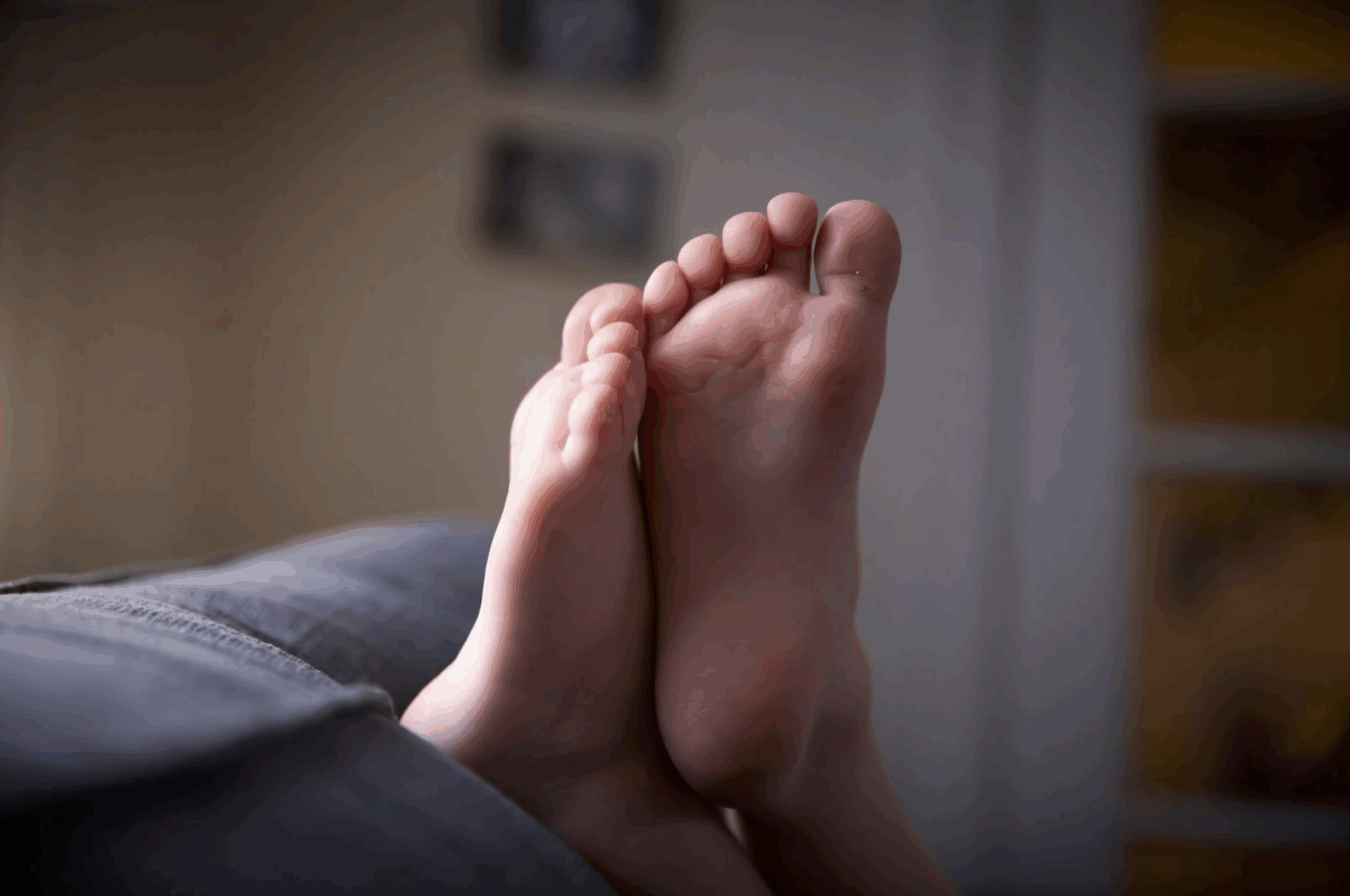
While foot odor (also called bromodosis) has no single cause, it can be narrowed down to one or more common conditions:
Sweaty Feet
The feet contain 250,000 sweat glands—the highest concentration on the body. Sweating is a normal bodily function, and foot sweat itself is odorless. However, when that sweat becomes trapped, it leads to foot odor.
Foot sweat has a variety of internal and external causes, and its intensity can vary from person to person.
- Internal causes include your overall physical health, as well as factors such as age, gender, hormone levels and stress.
- External causes include heat and humidity, footwear materials, and physical exertion.
If heat and moisture can’t escape from the foot’s surface due to excessive sweating, tight footwear, or synthetic materials, this creates an ideal environment for odor-causing organisms.
Bacteria
Millions of bacteria naturally live on everyone’s skin, but they thrive and multiply rapidly in dark, warm, wet environments. Warm, damp footwear provides the right conditions, and the foot’s sweat and dead skin cells provide the food source for bacteria. The bacteria’s acidic waste products provide the resulting odor.
Foot injuries, such as ingrown toenails, blisters, or cuts, provide additional sites for bacteria to multiply, intensifying odor or worsening foot smell.
Depending on the types of bacteria present or most active, the smell produced may be cheesy, vinegary, sour, or even sulfur-like.
Fungal Infection
Like bacteria, fungi naturally exist on the skin and also flourish in warm, moist environments. The same conditions that allow bacteria to multiply—sweaty feet in warm, damp footwear—also create an ideal breeding ground for the spores that cause fungal infections like athlete’s foot (tinea pedis).
Fungi feed on keratin, a protein found in skin, hair, and nails. While the fungus itself does not cause a strong odor, the damage it causes does. As the fungus feeds, it breaks down the tissue of the feet and toenails, creating an environment that invites odor-causing secondary bacterial infections.
This fungal invasion and consequent bacterial growth in compromised foot and toenail tissue result in foot odor, ranging from musty or yeasty to the bacterial odors of vinegar and cheese.
Fungal infections often present additional symptoms beyond odor, such as itching, burning sensations, and flaking or peeling skin.
Health Conditions and Prescription Drugs
Certain medical conditions and medications can affect foot health, potentially leading to foot odor. For instance, diabetes, inflammatory diseases, autoimmune disorders, and some medications can impair the body’s ability to fight infection, increasing susceptibility to bacterial and fungal infections.
Other health conditions, hormonal changes, and medications can increase sweat production throughout the body, including the feet. If you suspect your foot odor is due to a health-related issue or prescription drug, contact your health care provider for options.
Footwear Issues
The shoes and socks you wear create the environment your feet are in. If your footwear allows air to circulate (and sweat to evaporate), your odds of foot odor decrease. On the other hand, if your footwear is tight or made of synthetic fibers that don’t wick moisture, you’re creating conditions for fungal and bacterial growth—and the likelihood of smelly feet increases. Common footwear issues include:
- Problematic shoe materials: Fabrics that trap heat and moisture, such as plastic, vinyl, and rubber, keep sweat from evaporating and promote bacterial growth.
- Old, worn-out shoes: Shoes in very poor condition can harbor odor-causing bacteria trapped deep within the material that is impossible to remove.
- Sharing footwear: Wearing someone else’s shoes or allowing someone else to wear yours can transfer odor-causing bacteria and fungi between people.
- Wearing shoes without socks: Going sockless allows sweat and bacteria to be absorbed directly into the shoe materials, where they multiply and create a persistent odor that is difficult to eliminate.
Improper Foot Hygiene
When feet aren’t cleaned and dried thoroughly and regularly, the sweat, dead skin cells, and oils left behind provide a food source for bacteria and fungi. Even clean, dry shoes can’t prevent foot odor when unclean or damp feet enter the picture, allowing microorganisms to multiply freely.
How to Get Rid of Foot Odor
First, examine your feet for signs of infection. Before beginning any treatment for foot odor, look for signs of bacterial or fungal infections, such as:
- Itching or burning between toes or on soles
- Flaking, peeling or cracked skin
- Redness or inflammation
- Blisters or sores
- Thickened, discolored or brittle toenails
If you notice any of these symptoms alongside foot odor, consult your healthcare provider. These signs may indicate athlete’s foot or another infection that requires antifungal or antibacterial treatment. In many cases, over-the-counter medications are effective remedies, but persistent or severe infections require professional evaluation.
For foot odor without signs of infection, the following steps can help eliminate the smell and freshen your feet.
1. Thoroughly Clean and Dry Your Feet
Proper foot hygiene is the foundation of odor elimination and control.
Daily Washing
- Wash feet thoroughly with antibacterial or antifungal soap.
- Pay careful attention to the skin between the toes.
- Gently scrub away dead skin cells.
- Rinse thoroughly to remove all soap.
Complete Drying
- Dry feet thoroughly after washing.
- Pat (don’t rub) with a clean towel.
- Pay careful attention to the skin between the toes.
- Rinse thoroughly to remove all soap.
Foot Soaks for Deep Cleaning
Soaking feet weekly can reduce fungi and bacteria, while keeping the skin of the feet clean and healthy. Foot soaks work by creating an environment inhospitable to microorganisms, while softening skin and promoting good foot hygiene.
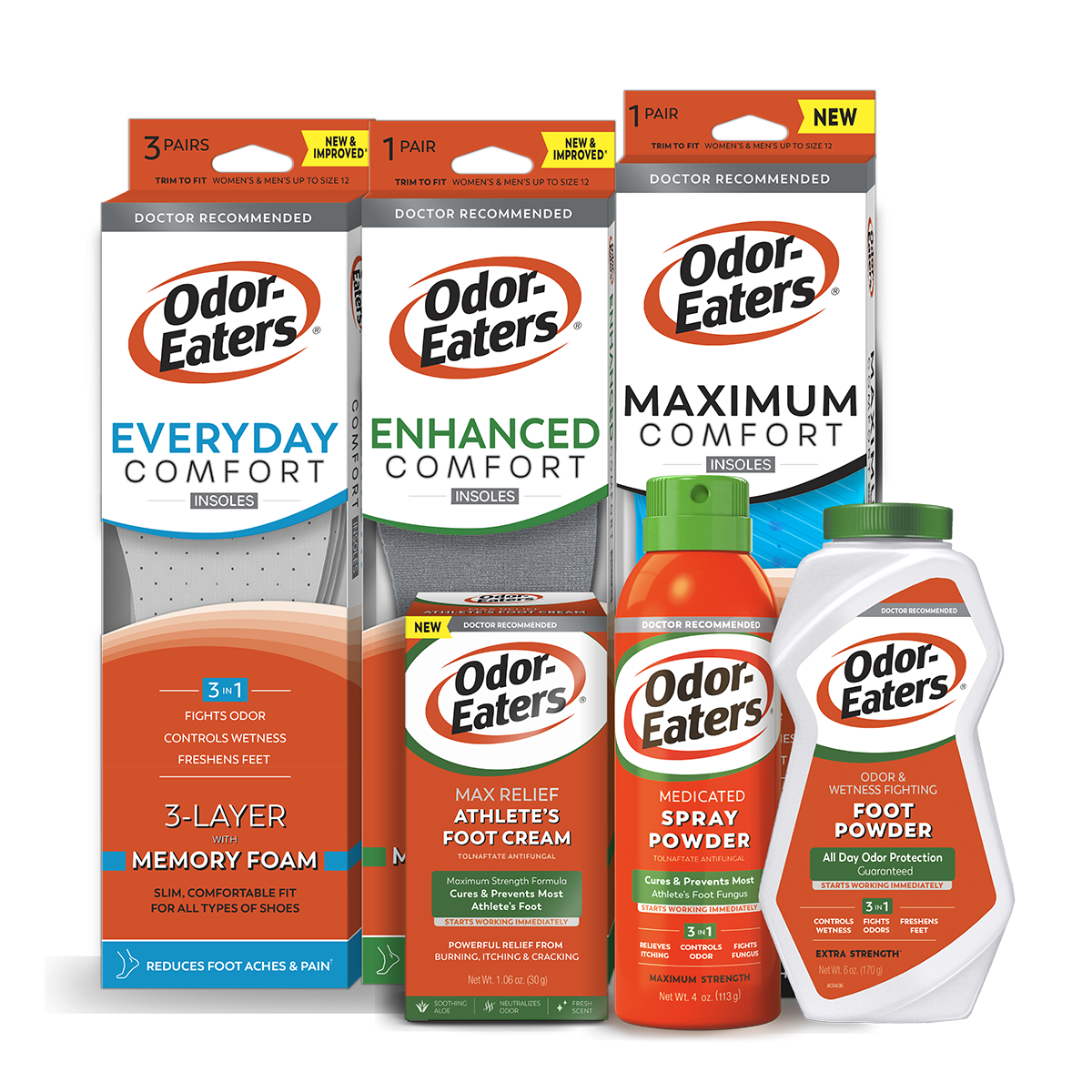
3-in-1: Fights Odor, Controls Wetness, Freshens Feet
A doctor-recommended brand with a selection of products that deliver guaranteed all-day odor protection.
2. Use Odor-Eaters Foot Powder Daily
Odor Eaters foot powder help eliminate stinky feet by effectively addressing the root cause of foot odor: excess moisture. By absorbing sweat before it becomes a breeding ground for bacteria, powders keep feet dry and prevent odor from developing.
How Odor-Eaters Foot Powder Works:
Odor-Eaters foot powder makes feet and shoes inhospitable to odor-causing microorganisms by:
- Absorbing moisture throughout the day to keep feet dry.
- Using active ingredients that fight bacteria and fungi.
Common Active Ingredients:
- Corn starch: Natural powders that absorb sweat.
- Sodium bicarbonate (baking soda): Natural odor neutralizer with mild antibacterial properties.
- Antifungal agents: Fight the growth of microorganisms.
The most effective foot powders combine moisture absorption with antibacterial and antifungal action. Odor Eaters Foot Powder, for example, uses traditional cornstarch and baking soda, along with sodium polyacrylate (an advanced moisture-absorbing compound) and benzethonium chloride, an antimicrobial agent that kills odor-causing bacteria on contact.
How to Use Odor-Eaters Foot Powder
- Use daily after bath or shower or anytime you want to refresh your feet.
- Sprinkle liberally on tops and soles of feet, between toes, and in shoes and socks.
- Wash your hands after use.
3. Choose Footwear Wisely
Your choice of shoes and socks, and how you care for your footwear, directly affect foot odor.
Shoe Selection, Use, and Storage:
- Choose breathable materials that allow air to circulate, such as leather, cotton, canvas, or mesh.
- Avoid materials that trap moisture, such as plastic and other synthetics.
- Wear open-toed shoes or sandals when appropriate for ventilation.
- Rotate shoes daily to allow them to air out between wearings.
- Store shoes in a well-ventilated area between uses.
- Remove insoles after wearing them to dry thoroughly.
Sock Selection:
- Choose natural, moisture-wicking fabrics: wool, bamboo, or sweat-wicking blends.
- Avoid cotton socks. While they are breathable, they tend to stay wet longer.
- Change socks at least once a day, and when they are damp.
4. Consider Additional Odor-Fighting Products
In addition to powder, several other products can help control foot odor when used as part of your foot hygiene routine.
| Product | Uses and Benefits |
| Odor-Eaters Spray Powder | Sprayable powder that dries clear upon application. Control wetness and contain antifungal or antibacterial ingredients that kill odor-causing organisms on contact. Best for: Quick refresh, on-the-go application and treating athlete’s foot |
| Odor-Eaters Odor-Destroying Insoles | Absorb moisture and neutralize odor in shoes. Removable for fast drying after wearing. Contain odor-fighting ingredients in a comfortable foam insole. Best for: Every day to keep shoes and feet fresh, additional odor protection in athletic shoes and work boots |
How to Prevent Foot Odor
The key to preventing foot odor from returning is consistency. The strategies outlined above—from daily foot hygiene and proper footwear choices to regular use of foot powder and other products—work best when they are part of a daily routine.
Establish and Maintain a Daily Regimen
Create a plan for regular foot care and consistently maintain it. Many people make the mistake of abandoning their foot care routine once their foot smell disappears, only to have the problem return. Consider foot hygiene, foot powder, moisture-wicking socks, and shoe rotation as your cumulative, ongoing maintenance plan, not temporary fixes.
FAQ
- How do I get my feet to stop smelling, and how long does it take?
To stop foot odor, focus on three key areas: hygiene, moisture control and footwear. Wash and dry your feet thoroughly every day with antibacterial soap. Apply foot powder to absorb moisture. Wear breathable shoes and moisture-wicking socks. Rotate your footwear to allow shoes to dry completely between wears. With consistent foot care and good choices, most people see a significant improvement within 7 to 10 days.
- Is my foot odor from sweat or bacteria?
Both, actually. Foot sweat, which is primarily water and salt, is odorless. The smell of foot odor comes from bacteria on your skin. In the right environment (in this case, dark, warm, moist shoes), bacteria multiply. These bacteria feed on your feet’s sweat and dead skin cells, breaking them down and releasing waste compounds in the process. It is those waste compounds that create foot odor. So, while sweat doesn’t directly cause the odor, it provides the moisture and food source that odor-causing bacteria need to thrive.
- What can help your feet stop smelling?
In addition to good habits and proper footwear, several products can help eliminate and prevent foot odor. Daily use of foot powder absorbs sweat before bacteria can multiply. Odor-absorbing insoles neutralize smells in shoes, and can be removed after each use to fully dry. Foot powder sprays control wetness and contain antifungal agents to protect against athlete’s foot. The most effective approach combines multiple products and consistent hygiene habits rather than relying on a single solution.
- How can I prevent my feet from smelling?
The key to foot odor prevention is consistency. Healthy daily habits, when followed consistently, help keep feet from smelling. Establish a morning routine of washing and drying feet thoroughly, applying foot powder and wearing clean, breathable footwear. During the day, change socks if they become damp and remove shoes when possible to air out feet and dry insoles. In the evening, allow shoes to dry overnight and wash and dry feet before bed. A routine like this prevents the moisture and bacterial growth that cause odor.
- What medical condition causes smelly feet?
Several medical conditions can contribute to foot odor. Hyperhidrosis (excessive sweating) creates more moisture, allowing bacteria to thrive. Diabetes impairs immune function and circulation, increasing the body’s risk of infection. Thyroid disorders can affect metabolism and sweating. These are just a few of the health issues that can impact foot health. If foot odor persists despite good hygiene and proper treatment, or if you notice other symptoms like burning, itching, or skin changes, consult a healthcare provider for evaluation.
- What deficiency causes foot odor?
While nutritional deficiencies alone rarely cause foot odor, certain deficiencies, such as zinc, may contribute to body odor and affect immune function, making the body more susceptible to infection. However, zinc deficiency is not common, and supplements should not be self-administered without a healthcare provider’s diagnosis and recommendation.
- Why do my feet smell worse in certain shoes?
Some shoes trap more moisture and heat than others, creating ideal conditions for odor-causing bacteria to grow. Because synthetic materials like plastic or vinyl don’t allow air to circulate, sweat can’t evaporate. Tight-fitting shoes have the same issue: poor air circulation. How long you wear a shoe and how often can also affect foot odor, as shoes need time to air out and dry between wears. To minimize odor, choose well-fitting shoes of breathable fabric (leather, canvas, cotton, mesh), rotate your shoes, and use foot powder and sprays and odor-fighting insoles. If shoes are in poor condition and cannot be cleaned or dried thoroughly, it is best to replace them.
- Can foot odor be permanent?
No, foot odor is not permanent. Even chronic foot odor typically improves with consistent treatment, good foot care habits, and proper footwear. However, some factors can make odor more persistent, such as untreated fungal infections, shoes in very poor condition, and underlying medical conditions. If odor persists after two weeks of diligent hygiene and appropriate products and footwear, consult a healthcare provider to determine the cause and discuss treatment options.
Say Goodbye to Smelly Shoes
It’s important for everyone to learn how to rid shoes of smell. The most effective way to do so is simple: keep your feet and shoes clean. You should also make it a habit to change your socks daily and rotate your shoes every few days so they have time to air out.
You can also opt to use natural shoe deodorizers or commercial products, such as those from Odor-Eaters, to neutralize the odor. However, if the odor persists after trying these tips, or if you notice cracks, cuts, or sores between your toes, it’s a good idea to consult a podiatrist for further guidance.